Reviewing the LED Scoreboard Effect Question Mark
As an embroidery designer who has spent years digitizing for small businesses, I know that the right machine embroidery design can elevate a brand from amateur to professional in a single stitch. Recently, I reviewed the LED Scoreboard Effect Question Mark, a unique addition to the Backgrounds category of digital assets. This isn’t just a decorative element; it is a strategic tool for brands that want to convey curiosity, interactivity, or a modern, tech-savvy vibe. In this review, I will break down how this specific embroidery file performs in real-world commercial applications, from boutique merchandise to staff uniforms.
First Impressions: A Modern Twist on Classic Symbolism
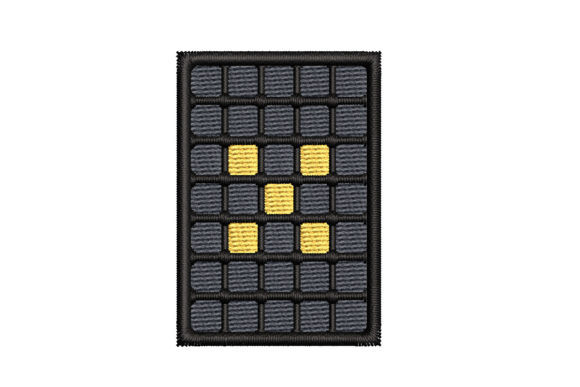
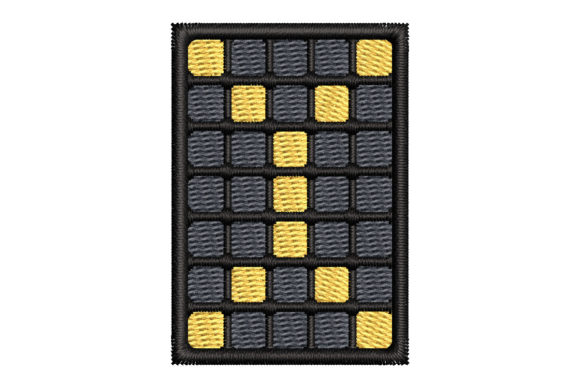
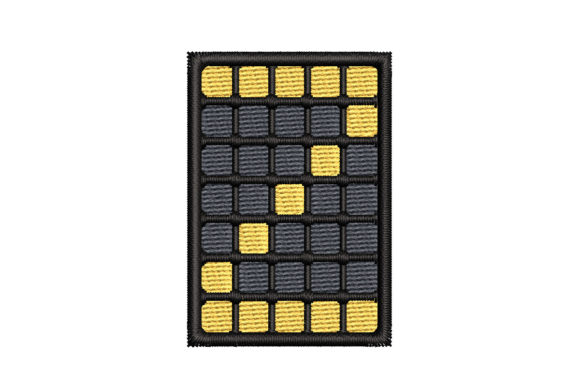
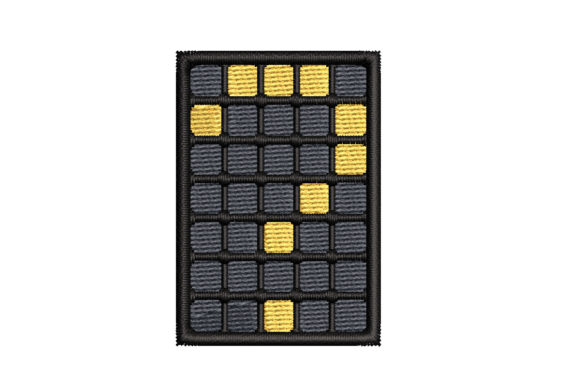
The first thing that strikes me about the LED Scoreboard Effect Question Mark is its visual personality. It feels undeniably modern and playful, yet structured enough to remain professional. The "scoreboard" aesthetic implies a digital, pixelated, or segmented look, which contrasts beautifully with the organic texture of thread. For a handmade brand or a creative studio, this design signals innovation. It doesn’t scream "rustic" or "vintage"; instead, it leans into a contemporary, bold identity.
For small business owners, especially those in tech-adjacent fields, gaming cafes, or modern bakeries, this design offers a way to stand out. It is not merely a punctuation mark; it is a conversation starter. When I visualize this on a custom apparel piece, I see a design that invites customer engagement. It asks a question, literally and figuratively, making it perfect for interactive marketing campaigns or limited-edition drops.
Real-World Business Applications
The true test of any digital embroidery file is its versatility across different products. Here is how I envision the LED Scoreboard Effect Question Mark working in a small business context:
- Embroidered Patches: This is perhaps the strongest use case. An embroidered patch featuring this design can be sewn onto denim jackets, backpacks, or laptop bags. The scoreboard effect allows for high contrast, making the question mark pop against various fabric backgrounds.
- Staff Uniforms and Aprons: For a café or boutique, adding this design to an apron embroidery pocket or the chest of a work shirt adds a touch of whimsy. It suggests that the staff is ready to answer questions and help customers, reinforcing a service-oriented brand identity.
- Cap Embroidery: Placed on the side panel or even the front of a dad hat, this design works well if scaled correctly. It serves as a subtle branding element that doesn’t overwhelm the wearer but still catches the eye.
- Tote Bag Design: Canvas tote bags are staples for small business merch. The bold lines of the scoreboard effect translate well to the coarse weave of canvas, providing a durable and stylish accessory for customers.
When used in these ways, the design becomes more than just art; it becomes a functional asset for commercial embroidery projects. It helps create a cohesive look across different touchpoints, from the employee’s uniform to the customer’s carry-all bag.
Technical Considerations for Production
While the aesthetic appeal is strong, technical execution is where many designs fail. The product description notes that "All the files are tested prior to release so you can be assured of the stitch quality." This is reassuring, but as a designer, I always advise running your own tests. Here are critical factors to consider before putting this design into production:
Stitch Density and Fabric Texture
The "LED" or scoreboard style often involves dense stitching to create solid, block-like segments. High stitch density can cause puckering on lightweight fabrics like thin cotton t-shirts or silk blends. If you are using this on delicate materials, you must use a high-quality cut-away stabilizer to support the weight of the thread. Conversely, on heavy fabrics like denim or canvas tote bags, the density will hold up beautifully, creating a raised, tactile effect that customers love to touch.
Size and Legibility
Because this design relies on a specific geometric effect, scaling it down too much can result in lost detail. If you are creating a tiny chest logo, ensure that the individual "segments" of the scoreboard effect do not merge into a blob. I recommend creating a printable mockup at actual size to check legibility. If the design loses its definition at smaller sizes, consider reserving it for larger applications like back prints on hoodies or medium-sized patches.
Thread Color Contrast
The description mentions you can "Switch to any color to your desired effect." This flexibility is crucial. To maintain the "LED" look, high contrast is key. A bright neon thread on a dark uniform will mimic the glow of a real scoreboard. However, if you are embroidering on dark uniforms, ensure your underlay stitches are sufficient to prevent the fabric color from showing through the top stitches. Testing different thread colors is essential to find the combination that best represents your brand’s visual consistency.
Enhancing Brand Identity and Customer Trust
Why does this specific design matter for your business? It comes down to brand identity and perceived value. A generic question mark might feel lazy, but an LED Scoreboard Effect Question Mark feels intentional and designed. It shows that you pay attention to details. When customers see high-quality design assets on your merchandise, it builds trust. They perceive your handmade product or service as premium and thoughtful.
Furthermore, this design can drive buyer engagement. In social media marketing, a photo of a cap or tote with this intriguing symbol can prompt comments and questions. It acts as a visual hook. For Etsy sellers and merch creators, having unique, non-generic designs helps differentiate your shop from competitors who use free or overused clipart. This embroidery file offers a proprietary look that can become synonymous with your brand.
Practical Designer Notes for Implementation
Before you load this file into your machine, follow these steps to ensure a flawless finished product:
- Check the Hoop Size: The product description cuts off at "Ho," likely meaning "Hoop size." Verify the required hoop dimensions before starting. Ensure your machine can accommodate the size, and that the design fits within your intended placement area without hitting seams or zippers.
- Test on Real Fabric: Never skip the test stitch. Run the design on a scrap piece of the exact fabric you plan to use. Check for thread breaks, nesting, or registration issues.
- Confirm Commercial Licensing: Always verify the license terms included with the digital embroidery file. Ensure you have the rights to use the design on items for sale, especially if you are producing large batches for small business merch.
- Create Client Mockups: If you are designing for a client, use the file to create a realistic digital mockup. Show them how the LED Scoreboard Effect Question Mark looks on a black apron versus a white tote. This helps manage expectations and secures approval before production begins.
In conclusion, the LED Scoreboard Effect Question Mark is a versatile and impactful choice for modern brands. It bridges the gap between playful creativity and professional presentation. By paying attention to technical details like stabilizer choice and thread contrast, you can leverage this design to create memorable, high-value merchandise that strengthens your brand’s presence in the market.