Reviewing World s Cutest Alarm Clock for Baby Projects
As a designer who spends more time staring at stitch maps than actual fabric, I have learned that the difference between a best-selling item and a dusty inventory piece often comes down to the design choice. When I first loaded World s Cutest Alarm Clock into my embroidery software, I was looking for something that could bridge the gap between playful whimsy and professional finish. This isn’t just about putting a picture on a shirt; it is about understanding how a digital file translates into thread, texture, and tangible value for a customer.
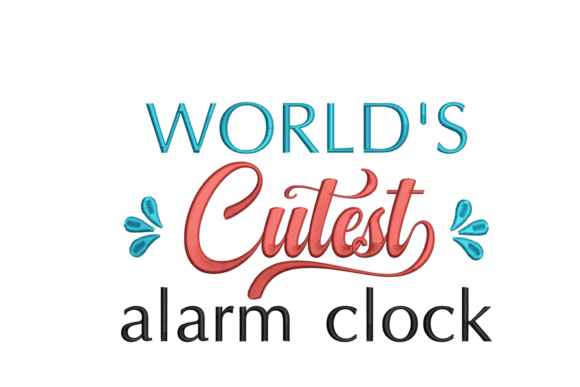
The premise of this design is straightforward yet effective. The description notes that World s Cutest Alarm clock is definitely a baby, which immediately sets the tone. We are not dealing with a generic timepiece here. We are looking at a character-driven motif intended to evoke warmth, nostalgia, and immediate affection. For those of us in the craft business, specifically those targeting the Babies category, emotional resonance is the primary driver of sales. But emotion alone does not make a good embroidery project. Technical execution does.
First Impressions and Visual Personality
The initial visual impact of World s Cutest Alarm Clock is soft and inviting. In an industry saturated with bold, aggressive graphics, there is a distinct market for designs that feel gentle. This design fits squarely into that niche. The layout suggests a rounded, approachable aesthetic, which is crucial when you are decorating items like onesies, bibs, or nursery decor. Sharp angles and harsh lines often feel out of place on baby products, whereas the curved nature of an alarm clock—especially a "cute" anthropomorphized one—lends itself beautifully to the soft contours of infant apparel.
From a compositional standpoint, the design appears balanced. For an embroidery designer, balance is critical because it dictates how the fabric will behave under the needle. A lopsided design can cause puckering, especially on lightweight knits common in baby clothes. While I cannot see the specific stitch count without opening the file, the visual weight suggests a moderate density that should sit well on standard cotton blends without turning a soft bib into a stiff cardboard square.
Real-World Application: The Custom Gift Scenario
To truly evaluate a machine embroidery design, you have to imagine it in a real-life scenario. Let’s say a client approaches you for a personalized gift for a newborn. They want something unique, not mass-produced. You decide to use World s Cutest Alarm Clock on a high-quality muslin swaddle or a organic cotton tote bag for diaper essentials.
In this context, the design performs as a focal point. Because the theme is inherently adorable, it does the heavy lifting regarding customer reaction. Parents and gift-givers are drawn to imagery that personifies objects. By treating the alarm clock as a "baby," the design creates a narrative. It is no longer just an object; it is a companion. This increases the perceived value of the finished product. An embroidered patch or direct stitch using this motif transforms a simple textile into a keepsake.
For Etsy sellers and small shop owners, this versatility is key. You can apply this same digital embroidery file to a variety of substrates. Imagine it as sweatshirt embroidery for a toddler’s "big sibling" outfit, or scaled down for a delicate applique design on a christening gown. The adaptability of the theme allows it to cross over from strict baby items into general nursery decor, such as pillow covers or wall hangings.
Technical Considerations for Stitching
However, enthusiasm must be tempered with technical caution. As an experienced reviewer, I must highlight where World s Cutest Alarm Clock requires careful handling. The description mentions it comes with multiple sizes, which is standard for quality design assets, but you must verify the hoop size compatibility before starting.
If you are stitching on stretchy fabric, such as the jersey knit used in onesies, stabilizer selection is non-negotiable. A cut-away stabilizer is likely necessary to prevent the satin stitch elements from pulling the fabric out of shape over time. If the design features dense fill stitch areas, particularly in the body of the clock, you risk creating a hard spot on a soft garment. Always test the design on scrap fabric first. Check the stitch density. If it feels too thick, consider reducing the density in your software if you have the commercial license to modify the file.
Thread color contrast is another vital element. Since this is a "cute" design, pastel palettes often work best. However, ensure that your thread colors provide enough definition against the fabric texture. A light yellow thread on a white onesie will vanish. Use a contrasting underlay or choose a slightly darker shade to ensure the details pop. Additionally, inspect small details. If the clock face has tiny numbers or hands, verify that they are rendered with running stitch or fine satin stitch rather than complex fills that may blob together during washing.
Commercial Viability and Brand Consistency
For commercial embroidery projects, consistency is everything. When you sell a handmade product, the buyer is trusting your eye for quality. Using a well-structured design like World s Cutest Alarm Clock helps maintain that trust. It looks intentional. It looks professional. This is particularly important for holiday embroidery seasons, where parents are buying gifts in bulk. A design that stitches cleanly and quickly allows you to scale your production without sacrificing quality.
Furthermore, consider how this design fits into your brand assets. If your shop specializes in whimsical, hand-drawn styles, this design aligns perfectly. It can be used in printable mockups to showcase potential products before you even stitch a single thread. This saves time and materials, allowing you to test market response on social media or your website.
Be mindful of licensing. The prompt indicates this is a machine embroidery design, but always confirm whether the license allows for commercial use of the finished product. Most designers allow you to sell physical items like tote bags or caps, but restrict the resale of the digital embroidery file itself. Clarifying this protects your craft business from legal issues and respects the original creator’s intellectual property.
Final Verdict for Makers and Designers
In conclusion, World s Cutest Alarm Clock is a strong contender for any designer’s library focused on the Babies niche. Its strength lies in its emotional appeal and thematic flexibility. It is not just a graphic; it is a storytelling element that enhances the value of custom apparel and nursery items.
Success with this design will depend on your technical preparation. Respect the fabric, choose the right stabilizer, and test your thread combinations. Whether you are creating a single personalized gift for a friend or stocking your small shop with holiday merchandise, this design offers the charm and professionalism needed to engage buyers. It reminds us that in embroidery, the best designs are those that make people smile before they even touch the fabric.
Before you begin your next embroidery project, take a moment to review the file specifics. Check the recommended hoop size, analyze the stitch types, and visualize the final outcome. With proper execution, World s Cutest Alarm Clock can become a staple in your portfolio, driving engagement and sales through its undeniable appeal.