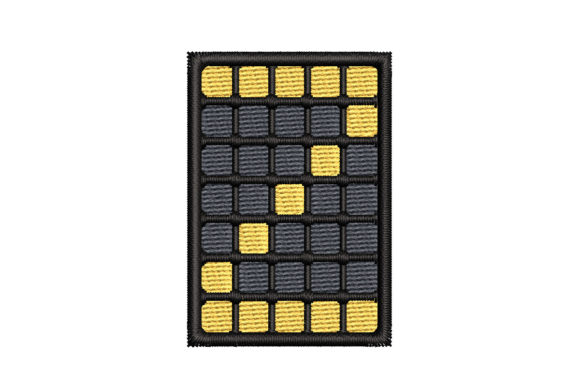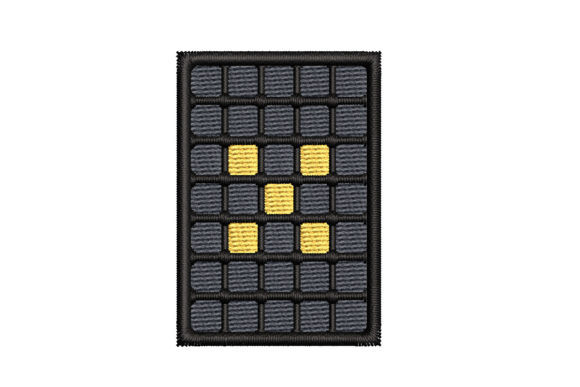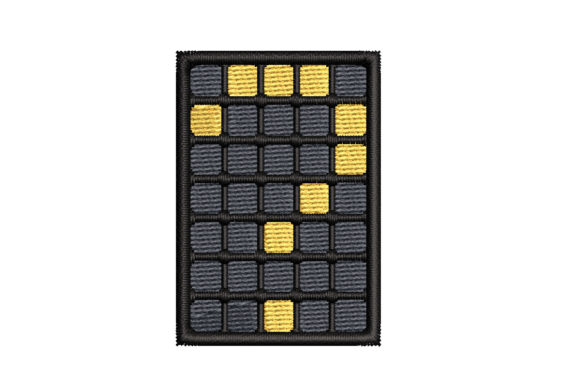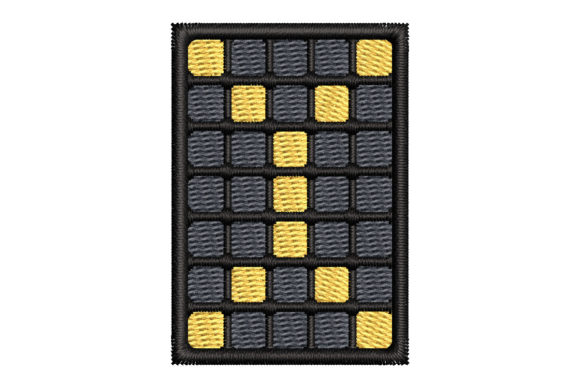
Review: LED Scoreboard Effect Dot for Business Merch
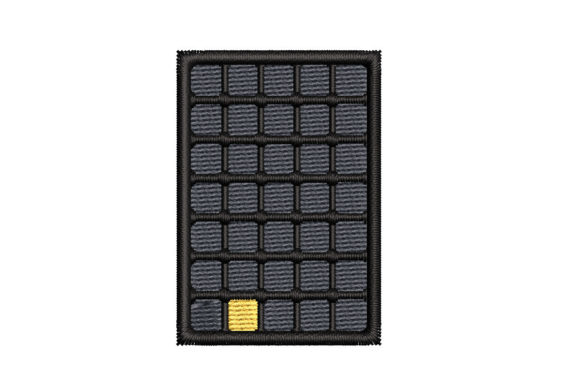
As an embroidery designer who has spent years digitizing files for small businesses, I have learned that not every design translates well to thread. When I first opened the LED Scoreboard Effect Dot, my immediate reaction was one of cautious optimism. In the world of digital graphics, a "scoreboard effect" usually implies pixelation or a grid-like structure that mimics retro digital displays. For a brand looking to stand out, this aesthetic can be incredibly powerful, but it carries specific risks when translated into physical embroidery.
This review is written specifically for small business owners, apparel decorators, and handmade brands considering this design for their next product line. Whether you run a boutique coffee shop, a creative studio, or an Etsy store selling custom gear, understanding how this machine embroidery design performs on actual fabric is crucial before you commit to production.
Visual Personality and First Impressions
The LED Scoreboard Effect Dot falls squarely into the modern, playful, and tech-inspired category. It does not feel rustic or elegant in the traditional sense; rather, it feels bold and contemporary. The description notes that you can "switch to any color to your desired effect," which is a significant advantage for maintaining brand identity. For a business, consistency is key. If your brand colors are neon green and black, this design allows you to replicate that high-contrast look effectively.
However, because this design is categorized under Backgrounds, it suggests a texture or fill pattern rather than a standalone logo. This means its primary strength lies in its ability to serve as an accent. It is not necessarily a hero image for a large back print, but it could be a fantastic subtle detail that adds depth to a larger composition. The "dot" nature implies a stippled or pixelated look, which can add a unique tactile quality to your finished product.
Real-World Applications for Small Business Merch
Where does this design actually shine in a commercial setting? I have evaluated several potential use cases for small business merch and branded items.
- Embroidered Patches: This is arguably the best application. A patch allows you to control the backing and stabilizer perfectly. The dot effect can create a cool, retro-digital vibe on a denim jacket or a laptop bag. Because patches are often viewed up close, the texture of the stitches becomes a feature, not a bug.
- Cap Embroidery: Caps require designs that are not too wide and do not have excessive pull. If the LED Scoreboard Effect Dot is compact, it works beautifully on the side panel of a trucker hat or the front of a dad hat. It acts as a subtle brand mark rather than an overwhelming logo.
- Tote Bag Design: Canvas tote bags have a coarse fabric texture. A dot-based design can complement this texture well, creating a harmonious look between the thread and the material. It is ideal for bookstore merch, farmer’s market bags, or library promotions.
- Apron Embroidery: For bakeries or craft studios, an apron with a small, pixel-style dot accent on the pocket adds a touch of personality. It signals a modern, creative approach to traditional crafts.
For custom apparel like staff uniforms, this design works best as a sleeve detail or a chest accent. It avoids the heaviness of a large solid fill, which can make lightweight polo shirts sag or pucker.
Technical Considerations and Risks
While the aesthetic is appealing, we must discuss the technical realities. The product description states that "all the files are tested prior to release so you can be assured of the stitch quality." This is reassuring, but as a professional, I always advise running your own test swatch. Here is why:
Stitch Density and Fabric Pull: Dot patterns can sometimes have high stitch density if the dots are small and numerous. On stretchy fabrics like jersey tees, this can cause puckering. You must use the correct stabilizer. For knits, a cut-away stabilizer is non-negotiable. For woven fabrics like canvas or twill, a tear-away might suffice, but always test first.
Size Limitations: Do not attempt to shrink this design too much. If the dots become smaller than the needle’s eye or the thread’s thickness, they will merge into a blob. This destroys the "scoreboard" effect. Always check the minimum recommended size. If the vendor does not provide exact dimensions, assume you need at least 1.5 to 2 inches for the details to remain crisp.
Thread Color Contrast: The success of this design relies heavily on contrast. If you embroider white dots on a light gray shirt, the effect will vanish. You need high contrast between the thread and the garment. Dark uniforms with bright, neon, or metallic threads will yield the most professional and visible results.
Impact on Brand Identity and Customer Trust
Using a unique design element like the LED Scoreboard Effect Dot can elevate your brand identity. It shows attention to detail. Customers perceive embroidered items as higher value than printed ones. When they see a well-executed, textured dot pattern, it reinforces the idea of quality and craftsmanship.
For Etsy sellers and handmade brands, this design can be a differentiator. Many competitors use standard fonts and simple shapes. A textured, digital-effect background element adds visual interest to your design assets. It makes your printable mockup look more dynamic and can increase buyer engagement on social media platforms where visual texture stops the scroll.
However, professionalism is key. If the stitching is messy or the design pulls the fabric, it damages trust. This is why testing is vital. A clean, crisp execution of this dot pattern signals that your business cares about quality control.
Practical Designer Notes for Production
Before you launch this design on your commercial embroidery projects, follow these steps:
- Test in Black and White First: Stitch the design in black thread on white fabric and vice versa. This helps you see the structure and spacing without the distraction of color. If it looks good in monochrome, it will look good in color.
- Check Hoop Size Compatibility: Ensure the design fits within your standard hoop sizes. If it requires a large hoop, it may not be cost-effective for small items like socks or baby clothes.
- Verify Commercial Licensing: The description mentions the files are tested, but it cuts off regarding licensing terms. Always confirm you have the right to use this digital embroidery file for physical goods you intend to sell. Never assume; always read the license agreement.
- Create a Mockup: Use a printable mockup or Photoshop to visualize the design on your specific product. Place it next to your other logos to ensure visual consistency.
- Inspect Spacing: Look closely at the spacing between the dots. If they are too close, the thread may bunch up. If they are too far apart, the fabric may show through excessively, weakening the visual impact.
In conclusion, the LED Scoreboard Effect Dot is a versatile tool for the modern embroiderer. It bridges the gap between digital aesthetics and tactile craft. When used correctly on patches, caps, and totes, it adds a layer of sophistication and fun to small business merch. Just remember to respect the technical limitations of thread and fabric, and you will create products that customers love to wear and use.