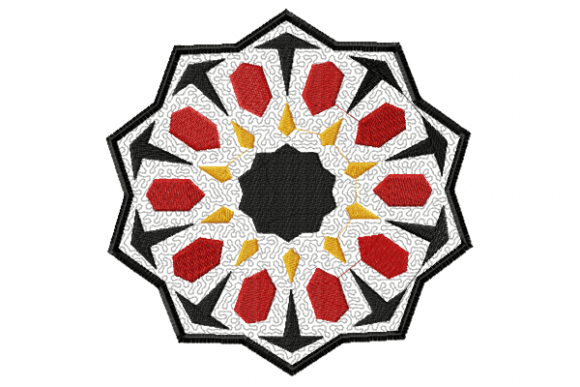
Moroccan Tiles: A Designer’s Review for Real Embroidery Projects
As a designer who spends more time staring at stitch previews than I do sleeping, I have learned that not every pretty picture translates into a clean embroidery project. When I first pulled up the file for Moroccan Tiles, my initial reaction was one of cautious optimism. The geometric intricacy promised visual interest, but in machine embroidery, complexity is a double-edged sword. It can elevate a handmade product from amateur to artisanal, or it can turn a simple tote bag into a puckered mess if the digitizing isn’t sharp. After reviewing the layout and considering its application across various textiles, here is my practical assessment of how this design performs in the real world.
First Impressions: Mood and Visual Personality
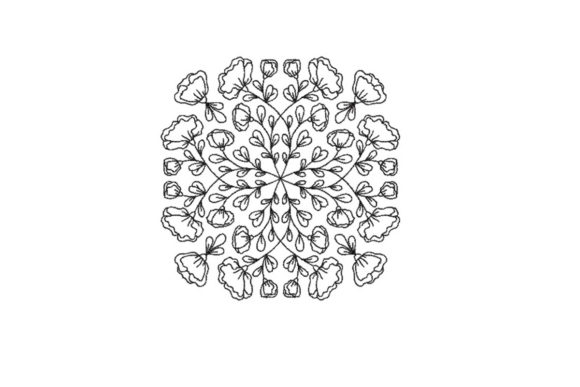
The immediate appeal of Moroccan Tiles lies in its structured elegance. Unlike floral motifs that rely on organic flow, this design depends on precision. The mood it creates is sophisticated and worldly, evoking the warmth of Mediterranean architecture. For an Etsy seller or a boutique owner, this aesthetic is valuable because it feels timeless rather than trendy. It does not scream for attention; instead, it invites closer inspection. This subtle confidence makes it an excellent choice for clients who want a personalized gift that feels expensive and thoughtful, rather than loud or novelty-driven.
From a technical standpoint, the balance between open space and filled areas appears well-considered. In embroidery, we often worry about "density burn," where too many stitches cause the fabric to gather. This design seems to respect the negative space, allowing the fabric texture to breathe between the geometric lines. This is crucial for maintaining the drape of garments like sweatshirts or the flatness of pillow covers.
Real-World Application: Where This Design Shines
I recently considered using Moroccan Tiles for a custom order involving a set of high-quality linen kitchen towels. This is where the design truly finds its footing. Linen, with its natural slub and texture, pairs beautifully with the crisp lines of geometric patterns. The contrast between the rustic fabric and the precise machine embroidery design creates a tactile experience that customers love. It transforms a standard household item into a piece of decor.
Beyond home goods, this design is remarkably versatile for custom apparel. Imagine this pattern stitched onto the cuff of a denim jacket or as a small accent on the chest of a neutral-toned sweatshirt. Because the motif is self-contained and symmetrical, it works exceptionally well as an embroidered patch concept. You could stitch it out on felt or twill, cut it out, and apply it to a tote bag design that sees heavy use. This appliqué-style approach protects the stitches from wear and tear while adding a layer of dimensionality that flat stitching sometimes lacks.
For those running a craft business, holiday seasons present a unique opportunity. This design fits seamlessly into holiday embroidery collections, particularly for winter gifts where warm, earthy tones are prevalent. It avoids specific religious or seasonal iconography, making it a safe, inclusive choice for a broad customer base. Whether used on a cozy blanket or a decorative pillow cover, it adds a layer of warmth without feeling kitschy.
Technical Considerations and Fabric Compatibility
While Moroccan Tiles is visually striking, it demands respect during the hooping process. Geometric designs are unforgiving on unstable fabrics. If you are planning to use this on a stretchy knit for a baby onesie, you must be diligent with your stabilizer choice. I recommend a cut-away stabilizer for any garment that will be washed frequently, as it provides long-term support against the pull of the stitches. For woven fabrics like cotton or linen, a tear-away might suffice, but always test first.
One area requiring careful attention is the stitch density. Although the preview looks balanced, geometric corners can accumulate thread if the digitizer has not optimized the underlay. Before committing to a final finished product, I strongly advise stitching out a test sample on scrap fabric identical to your final material. Check for puckering around the tightest corners. If you see gathering, you may need to adjust your tension or switch to a lighter weight thread.
Color selection is another critical factor. This design relies on contrast. On dark fabrics, ensure your thread colors are vibrant enough to stand out. A monochromatic look—such as white-on-white or cream-on-beige—can look incredibly chic and high-end, but only if the lighting in your product photography highlights the texture of the satin stitch and fill stitch work. If the contrast is too low, the intricate details will get lost, and the design will appear muddy from a distance.
Commercial Viability and Brand Consistency
For digital product sellers and small shop product creators, consistency is key to building trust. Moroccan Tiles offers a level of professionalism that enhances brand perception. It does not look like a generic clip-art conversion; it looks like a deliberate design asset. When used in commercial embroidery projects, such as branded aprons for a café or uniform patches for a boutique hotel, it conveys attention to detail.
However, transparency regarding file specifications is essential. The product description notes that this digital embroidery file comes in multiple formats, which is standard and helpful for compatibility across different machine brands. However, it does not specify exact hoop sizes or stitch counts. As a responsible designer, you must verify these details before purchasing or promising a specific size to a client. Attempting to resize a complex geometric design beyond its intended parameters can distort the proportions and ruin the visual harmony. Always confirm the maximum and minimum hoop sizes supported by the file.
Practical Tips for Best Results
To ensure your project with Moroccan Tiles is a success, keep these practical steps in mind:
- Test on Scrap First: Never skip the test stitch. Use the same fabric and stabilizer combination you plan to use for the final item.
- Check Thread Contrast: View your design in black and white on your computer screen. If the details disappear in grayscale, they will likely get lost on certain fabric backgrounds.
- Mind the Corners: Geometric designs stress the needle and thread at sharp angles. Use high-quality embroidery thread to reduce breakage.
- Verify Licensing: If you are selling the finished product, ensure the license allows for commercial use. Most designers allow selling physical items but prohibit reselling the digital file itself.
- Consider the Scale: Ensure the design size fits the item. A large, dense pattern on a small baby cap may be too stiff and uncomfortable.
Final Verdict
Moroccan Tiles is a strong contender for designers looking to add a touch of global elegance to their portfolio. It is not just a pretty image; it is a functional design element that, when handled with technical care, can significantly boost the perceived value of your work. Whether you are creating a baby embroidery piece for a shower gift or a sophisticated sweatshirt embroidery for your online store, this design offers the versatility and polish needed to satisfy discerning customers. Just remember: the beauty of the final stitch depends entirely on the preparation you put in before the needle even hits the fabric.