Flower Mandala: A Designer’s Review for Real Projects
As an embroidery designer who spends more time staring at stitch simulations than I care to admit, I have learned that not every pretty picture translates into a quality finished product. When I first pulled up the Flower Mandala design, my initial reaction was one of cautious optimism. It sits squarely in the Outline Flowers category, which usually suggests a lighter touch on the fabric—a welcome relief after wrestling with dense, heavy fills that puckered my favorite linen.
The visual personality of this piece is balanced. It does not scream for attention with chaotic details; instead, it offers a rhythmic, symmetrical calm. For those of us running a craft business or selling on Etsy, this kind of versatility is gold. It is not just about whether the design looks good on screen; it is about how it behaves under the needle and how it lands with the customer holding the final item.
First Impressions: Mood and Layout
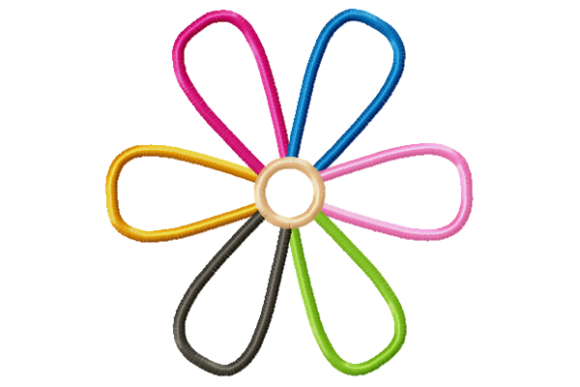
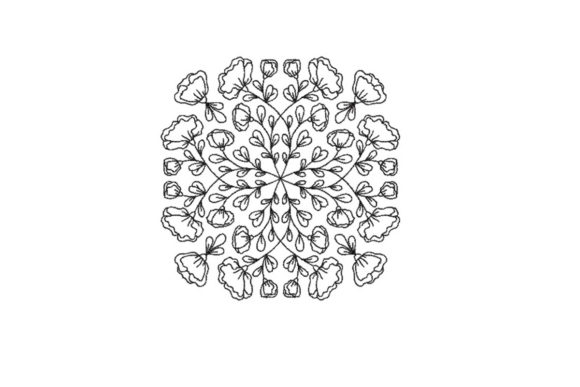
The layout of Flower Mandala feels intentional. The radial symmetry creates a natural focal point, which is crucial when you are working with limited space on garments or accessories. The mood is organic yet structured, bridging the gap between bohemian flair and modern minimalism. This duality makes it a strong candidate for a wide range of embroidery projects.
What stands out immediately is the potential for color customization. The description notes that you can choose the color scheme at your discretion. From a design perspective, this is where the magic happens. A monochromatic thread palette gives it a subtle, textured look suitable for high-end boutique branding, while vibrant, contrasting thread colors can turn it into a playful statement piece for children’s items or festival wear.
Real-World Application: The Tote Bag Test
To truly evaluate a design, I mentally place it on a real product. Let’s consider a custom canvas tote bag design. Canvas is sturdy, but it has a visible weave. I imagined stitching Flower Mandala onto a natural cotton tote. Because this design leans towards outline work rather than heavy saturation, the risk of distorting the fabric is lower.
In this scenario, the design acts as a central emblem. It elevates a basic bag into a handmade product that feels thoughtful and curated. Customers often look for uniqueness in mass-produced alternatives, and this mandala provides that distinct touch without overwhelming the utility of the bag. It would also translate beautifully to a sweatshirt embroidery project, placed subtly on the left chest or boldly across the back, depending on the scale you choose.
Fabric Considerations and Stitch Behavior
One of the most critical aspects of reviewing any machine embroidery design is understanding its interaction with fabric texture. Since Flower Mandala is categorized under Outline Flowers, I anticipate a mix of running stitch and perhaps light satin stitch borders. This is generally forgiving on medium-weight fabrics like cotton twill, denim, and linen.
However, caution is needed with stretchy or thin materials. If you are attempting baby embroidery on a soft onesie, the stability of the fabric is paramount. Even with a lighter design, the hoop tension can leave marks or cause shifting. I always recommend using a cut-away stabilizer for knits to ensure the design remains crisp after multiple washes. For woven fabrics, a tear-away might suffice, but test it first.
Dark fabrics present another challenge. If the design relies heavily on fine outlines, ensure your thread contrast is high. A dark gray thread on a black shirt will vanish. In such cases, consider using a metallic or bright white thread to make the mandala pop, turning it into a striking piece of holiday embroidery or evening wear decor.
Commercial Viability for Etsy Sellers
For the Etsy seller or small shop owner, time is money. A design like Flower Mandala is valuable because it is versatile. It can be marketed as part of a personalized gift line—think monogrammed pillows or custom aprons. The symmetrical nature allows for easy integration with text or initials if you have the skills to edit the embroidery file, though you should always check the license terms before modifying or reselling.
When creating printable mockup assets for your online store, this design photographs well. Its clean lines do not get lost in low-resolution previews, which helps in converting browsers into buyers. It signals professionalism. A sloppy, overly dense design can look amateurish when stitched out, but a well-balanced outline design conveys a sense of refined craft.
Where to Use Caution
While I am enthusiastic about this design, there are limitations. Do not assume it will work perfectly on curved surfaces like caps without proper digitizing adjustments. The hoop size must match the design dimensions exactly; stretching a mandala to fit a smaller hoop will distort the symmetry, ruining the visual appeal.
Also, be mindful of stitch density. If the original file has unexpected fill areas within the petals, it could become stiff. This is less ideal for items that need to drape softly, like scarves or lightweight summer dresses. Always run a test stitch on scrap fabric of the same type you intend to use for the final product. Check for thread breaks, nesting, and overall clarity.
Practical Designer Notes
Before you commit to a large batch of commercial embroidery orders, take these steps:
- Test on Scrap Fabric: Never skip this. Verify how the fill stitch and outlines interact with your specific material.
- Check Thread Contrast: View your design in black and white on your screen. If the details disappear, you need higher contrast threads.
- Confirm Licensing: Ensure the digital embroidery file comes with the rights for commercial use if you plan to sell finished items.
- Inspect Small Details: Zoom in on the center of the mandala. Are the stitches too close together? This can cause bunching.
- Consider the End Use: Will this be washed frequently? If so, reinforce with appropriate stabilizer and consider a backing fabric for delicate items.
In conclusion, Flower Mandala is a solid addition to your library of design assets. It respects the fabric, offers creative flexibility, and meets the aesthetic demands of modern consumers. Whether you are creating a unique embroidered patch for a jacket or decorating home interiors, this design holds up under scrutiny. Just remember: the right selection of materials and careful preparation are what transform a good digital file into a exceptional tangible product.