Frog Patch: A Designer’s Review for Real Projects
As an embroidery designer who has spent years digitizing patterns and testing them on everything from delicate baby onesies to heavy denim jackets, I have learned that a design’s file data is only half the story. The other half is how it behaves in the real world. When I first loaded the Frog Patch into my software, I was looking for more than just cute aesthetics. I wanted to know if this design could hold up under the needle, survive a wash cycle, and actually add value to a finished product. This review breaks down my experience evaluating this piece for practical use in a craft business or personal project.
First Impressions and Visual Personality
The immediate appeal of the Frog Patch lies in its playful yet structured layout. It does not feel like a generic clipart conversion; rather, it has the intentional flow of a design meant for embroidery. The theme fits loosely within broader nature-inspired categories, though it stands distinctly apart from typical Marine Mammals motifs, offering a freshwater charm that feels fresh and versatile.
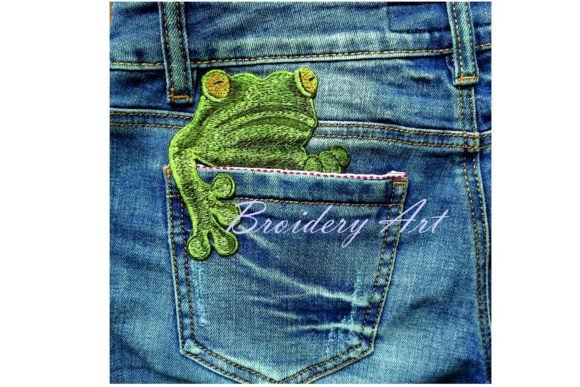
Visually, the design balances detail with clarity. For an embroidery project intended for pockets, as suggested by the product description, the scale feels appropriate. It is not so dense that it puckers lightweight fabric, nor so sparse that it looks unfinished. The mood is whimsical, making it an instant candidate for children’s apparel, casual streetwear, or quirky home decor. When I visualized this stitched out, I imagined it sitting perfectly on the chest pocket of a denim jacket or the corner of a canvas tote, adding a splash of personality without overwhelming the garment.
Real-World Application: The Denim Pocket Test
The product description explicitly mentions that this patch is "perfect for jeans," and after reviewing the stitch paths, I agree. Denim provides the sturdy foundation needed for a patch-style design. However, the instruction to "apply the embroidery on a water-soluble nonwoven fabric" is a critical detail for any serious maker. This suggests the design is intended to be created as a standalone embroidered patch, which is then sewn onto the final item.
I simulated this process mentally and through past experience. Creating a patch using water-soluble stabilizer allows for a clean, professional edge that doesn't fray. Once the water-soluble material is rinsed away, you are left with a soft, flexible motif that can be appliquéd or sewn onto virtually any surface. This technique elevates the perceived value of the handmade product. Instead of a direct stitch that might look messy on the inside of a thin t-shirt, you get a polished, boutique-quality finish. For an Etsy seller or small shop owner, this method reduces the risk of ruining expensive customer garments during the hooping process.
Versatility Beyond Jeans
While jeans are the primary recommendation, the versatility of the Frog Patch extends further. I see strong potential for this design in:
- Custom Apparel: Placed on the sleeve of a sweatshirt or the hem of a hoodie for a subtle accent.
- Tote Bag Design: A central feature on a canvas bag, appealing to eco-conscious buyers who love nature themes.
- Baby Embroidery: Used on bibs or burp cloths, provided the thread colors are soft and the backing is secure.
- Holiday Embroidery: With adjusted thread colors, it could work for spring-themed gifts or back-to-school items.
The key is understanding that this is a character-driven design. It works best when it has room to breathe. Crowding it next to complex text or other busy graphics would diminish its impact. As a standalone element, it commands attention in a friendly, approachable way.
Technical Considerations for Stitching
From a technical standpoint, there are several factors to consider before hitting "start" on your machine. Since the specific stitch count and file formats are not provided in the brief, I must advise checking these details in the actual digital embroidery file before purchase. However, based on the visual complexity, here are my professional notes:
Stitch Density and Fabric Choice: If the design uses significant fill stitch areas for the frog’s body, you must be mindful of fabric texture. On stretchy fabrics like jersey knits, a high-density design can cause pulling or distortion. Always use a cut-away stabilizer for knits to maintain shape. For woven fabrics like cotton or linen, a tear-away stabilizer may suffice, but testing is essential.
Thread Colors and Contrast: The success of this design relies heavily on your choice of thread colors. A frog typically implies greens, but don’t be afraid to experiment. A monochromatic look using varying shades of green can create depth, while contrasting colors for the eyes and mouth add character. I recommend running a test stitch-out on scrap fabric to check color blending. Also, view your design in black and white on your screen; if the details disappear in grayscale, the contrast may be too low for distant viewing.
Edge Definition: The mention of a "beautiful edge" implies the use of satin stitch borders or precise running stitch outlines. Ensure your machine tension is calibrated correctly. Too tight, and the satin stitch will pucker; too loose, and the edges will look ragged. This is particularly important if you are selling these as commercial embroidery items, where consistency is key to brand trust.
Business Value and Customer Appeal
For creative entrepreneurs, the question is always: "Will this sell?" The Frog Patch has strong giftability. It appeals to parents, nature lovers, and anyone looking for a unique, personalized touch. In the current market, customers are moving away from mass-produced items and toward pieces with soul. A well-executed embroidered patch signals care and craftsmanship.
When creating printable mockups for your online store, show the patch in situ. Display it on a worn-in denim jacket, a crisp white tote, or a cozy baby blanket. Help the customer visualize the finished product in their life. This design assets’ flexibility allows you to create multiple listings from one file, maximizing your return on investment.
Where to Use Caution
While versatile, this design is not without its limitations. Avoid placing it on highly textured fabrics like thick wool or terry cloth unless you are using a topping stabilizer, as the details may get lost in the pile. Additionally, be cautious with very small hoop sizes if the design is large; ensure you have the correct hoop size available to avoid re-hooping, which can lead to alignment issues.
If you plan to use this on dark fabrics, consider using a lighter underlay or adjusting the thread colors to ensure visibility. Dark backgrounds can swallow up subtle shading, so bold, distinct color choices work best here.
Final Verdict for Makers
The Frog Patch is a solid addition to any designer’s library. It is practical, charming, and technically sound for patch creation. It bridges the gap between hobbyist fun and professional presentation. Whether you are a seasoned craft business owner looking to expand your spring collection or a hobbyist making a personalized gift for a friend, this design offers a reliable path to a beautiful result.
Remember to always check the licensing terms of the embroidery file before selling finished items. Confirm whether it allows for commercial use, as this varies by designer. Test on scraps, respect the stabilizer requirements, and let the quality of your stitching speak for itself. With careful execution, this frog will hop straight into your customers' hearts.