Wild Flower Line Art: A Designer’s Review
As an embroidery designer who spends countless hours digitizing and testing designs for commercial use, I am always on the lookout for assets that balance aesthetic appeal with technical reliability. Recently, I explored Wild Flower Line Art on Creative Fabrica, specifically evaluating its potential for real-world client projects. In the crowded market of digital embroidery files, finding a design that offers both a modern visual mood and practical stitching performance is essential for maintaining a professional standard in handmade goods.
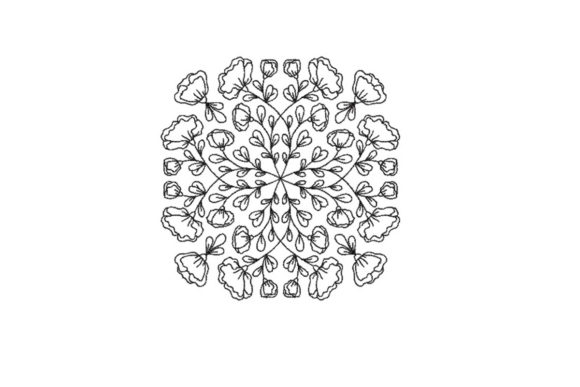
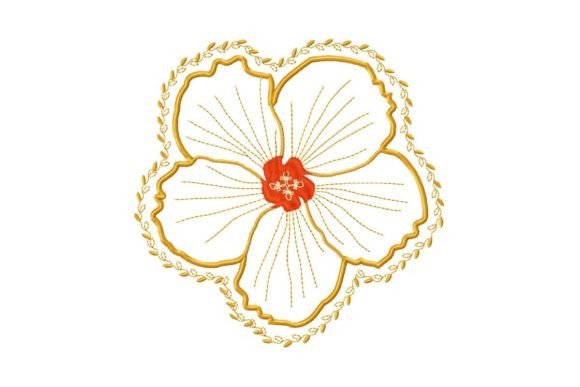
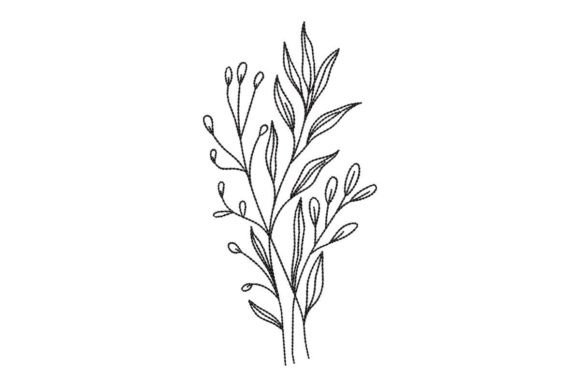
The first impression of this collection is its understated elegance. Unlike heavily saturated fill designs that can sometimes look bulky on delicate fabrics, these line art flowers rely on clean, continuous paths to define their shape. This approach creates a feminine and modern accent that feels contemporary rather than dated. For designers working within the Outline Flowers category, this product stands out because it prioritizes negative space, allowing the texture of the fabric to play a significant role in the final appearance of the stitched piece.
Visual Mood and Stitching Personality
The core appeal of Wild Flower Line Art lies in its versatility. The designs are not overly complex, which is a double-edged sword that requires careful handling. Visually, they evoke a sense of calm and organic beauty, making them ideal for projects where subtlety is preferred over bold statement pieces. The stitching personality is defined by precision. Because these are line-based designs, any inconsistency in tension or fabric movement becomes immediately visible. This means the design demands respect from the operator; it is not a "set it and forget it" file, but rather one that rewards attention to detail.
When considering the decorative appeal, these flowers naturally fit into minimalist branding strategies. They do not overpower the garment or item they adorn. Instead, they enhance the existing material. This makes them particularly suitable for high-end boutique merchandise where the quality of the base fabric is a selling point. The lack of dense fill stitches ensures that the hand of the fabric remains soft, a crucial factor for apparel and baby items.
Real-World Application for Commercial Projects
In my evaluation, I considered how this machine embroidery design would perform across various product lines. For custom apparel, such as linen shirts or cotton sweatshirts, the line art style integrates seamlessly. It avoids the "stiff patch" feeling that heavy embroidery can create. For tote bag designs, the open nature of the flowers allows for quick stitching times, which is vital for small business owners managing production schedules. A single hoop placement on a canvas tote can transform a basic bag into a personalized gift ready for Etsy listings.
I also see strong potential for kitchen towels and aprons. The modern aesthetic aligns well with current home decor trends. However, when applying these designs to textured fabrics like waffle weave towels, one must be cautious. The fine lines may get lost if the thread color does not provide sufficient contrast. For nursery decor, such as pillow covers or baby blankets, the gentle curves of the wildflowers offer a soothing visual element. Here, the use of pastel thread colors can enhance the softness of the design, making it an excellent choice for handmade gifts targeting new parents.
For those interested in creating embroidered patches, these outlines can be effective if paired with a sturdy backing. However, because the design relies on lines rather than solid shapes, the edge finishing of the patch becomes critical. A satin stitch border might be necessary to contain the raw edges of the patch material, ensuring durability during frequent washing.
Technical Considerations and Fabric Compatibility
Working with line art requires a different technical approach than working with filled designs. One of the primary concerns is stitch density. While lower density is generally better for comfort, it offers less margin for error on stretchy fabrics. When embroidering on jersey knits for t-shirts or caps, using a proper stabilizer is non-negotiable. I recommend a cut-away stabilizer for garments that will undergo frequent laundering to prevent puckering around the delicate lines.
Curved surfaces, such as cap fronts, present another challenge. The geometry of a wildflower must be centered perfectly to avoid distortion. Since these designs are likely smaller in scale to maintain their delicate nature, checking the hoop size compatibility is essential. Most standard home machines can handle these sizes, but verifying the specific dimensions in the product description is a necessary step before purchase. Additionally, tiny details in line art can sometimes pull or break if the needle size is too large or the thread quality is poor. Using a sharp needle and high-quality polyester or rayon thread helps maintain the integrity of the fine lines.
Dark fabrics pose a unique aesthetic challenge. Light-colored threads on dark fabric can look striking, but the background fabric showing through the open spaces of the line art changes the visual weight of the design. It is advisable to create printable mockups or test stitches on scrap fabric to compare how the design reads on light versus dark materials. This step ensures that the final product meets customer expectations regarding visibility and contrast.
Enhancing Product Value and Brand Consistency
From a business perspective, incorporating Wild Flower Line Art into your product lineup can significantly affect perceived value. The clean, professional look of well-executed line embroidery suggests a higher level of craftsmanship. It builds buyer trust because the finished product looks intentional and refined. For creative entrepreneurs, this consistency in visual appeal helps establish a recognizable brand identity. Whether used on a simple muslin bag or a structured blazer, the design maintains a cohesive look that appeals to customers seeking modern, handmade items.
Furthermore, these designs photograph beautifully. The simplicity of the lines allows for clear, crisp images in online stores, reducing the need for extensive photo editing. This efficiency benefits digital product sellers and Etsy shop owners who need to maintain a steady flow of fresh listings. The ability to quickly produce high-quality, visually appealing items supports better customer engagement and potentially higher conversion rates.
Practical Advice for Users
Before committing to a large production run, always test the embroidery file on the exact fabric you intend to use. Check thread color contrast under the lighting conditions where the product will be displayed. Inspect small details after stitching to ensure no loops or skipped stitches are present. Confirm the file details and licensing terms on the Creative Fabrica product page, especially if you plan to sell finished items commercially. While the product description mentions multiple file formats, verifying compatibility with your specific machine model is a prudent step.
In conclusion, Wild Flower Line Art is a valuable asset for designers who appreciate minimalism and modern aesthetics. It requires technical diligence but rewards the user with versatile, elegant results. By understanding the nuances of stitch density, stabilizer selection, and fabric interaction, you can leverage this design to create standout handmade products that resonate with today’s consumers.