Baseball Bend: A Designer’s Review for Craft Fair Success
As an embroidery designer who has spent countless weekends behind a booth table, I know that not every machine embroidery design translates into a bestseller. Some designs look stunning on a screen but fail to capture attention in person. Others are so complex they eat up production time, killing your profit margin. Today, I am reviewing Baseball Bend, a new addition to the Sports category, specifically evaluating its potential for craft fair products and handmade market goods.
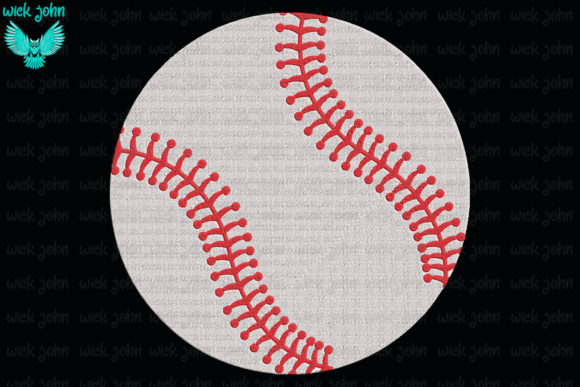
When I first loaded the embroidery file into my software, my immediate impression was one of approachable energy. The title suggests movement and playfulness, and the visual execution delivers a vibe that is neither too childish nor overly aggressive. It strikes a balance between modern sporty aesthetics and classic Americana. For a craft fair product, this versatility is gold. It appeals to parents looking for back-to-school items, sports moms, and even adults who appreciate a subtle nod to their favorite pastime. It feels decorative yet grounded, making it a strong candidate for a wide range of handmade products.
Visual Appeal and First Impressions
In a crowded marketplace, you have seconds to catch a buyer’s eye. Baseball Bend succeeds here because of its clear silhouette. Whether viewed from three feet away or up close, the shape is instantly recognizable. This clarity is crucial for a tote bag design or an apron embroidery piece, where customers are browsing quickly. The design does not rely on tiny, intricate details that get lost in the noise of a busy fair environment. Instead, it offers a bold, clean look that reads well from a distance.
The aesthetic leans towards a friendly, active lifestyle vibe. It is not overly rustic or strictly farmhouse, but it fits comfortably within those niches if paired with the right fabric choices. On a natural linen tote, it feels organic and soft. On a bright canvas backpack, it pops with energetic contrast. This adaptability allows you, as a Etsy seller or boutique maker, to create a cohesive collection without being pigeonholed into a single style.
Product Applications That Sell
To maximize the return on this digital embroidery file, we need to consider where it performs best. Based on my experience with similar sports-themed motifs, here are the top contenders for production:
- Tote Bags and Market Bags: This is arguably the strongest application. A centered Baseball Bend design on a heavy canvas tote creates an instant small shop product staple. It is practical, giftable, and highly visible when worn.
- Tea Towel Embroidery: Kitchen linens are perennial favorites at fairs. Placing this design on the corner of a waffle-weave or flour sack towel adds a personalized touch that elevates a simple item into a premium gift.
- Aprons: Whether for a little league snack stand mom or a backyard grilling dad, an apron embroidery featuring this motif tells a story. It connects the utility of the item with the passion of the hobby.
- Embroidered Patches: If the design scales down well, it makes an excellent iron-on or sew-on patch. Patches are low-commitment purchases for browsers and can be applied to jackets, hats, or bags later.
- Caps and Hats: Sports designs naturally belong on headwear. However, this requires careful hoop management due to the curved surface.
While pillow covers and fabric pouches are viable options, I find that apparel and carry-items tend to move faster in the Sports category. Customers want to wear their interests or carry them daily. A pillow is decorative; a tote is functional. For a finished product aimed at impulse buyers, function often wins.
Production Practicality and Batch Efficiency
For those of us running a business, time is money. One of the key strengths of Baseball Bend is its potential for batch production. The design appears to have a logical stitch path that minimizes jumps and trims. This means less machine downtime and fewer thread changes per unit. When you are preparing for a weekend fair, being able to hoop five tote bags and let the machine run with minimal intervention is a massive advantage.
Photography is another critical factor. This design photographs exceptionally well for online listings. Its distinct shape creates strong shadows and highlights, making it easy to showcase texture in your printable mockup or real-life photos. Clear, high-contrast images drive clicks on Etsy and social media. Because the design is not overly dense, it lays flat on fabric, avoiding the "puckering" look that can make a handmade product appear amateurish in photos.
Careful-Use Notes and Technical Considerations
Despite its strengths, there are technical nuances to consider before you start stitching. As an experienced designer, I advise paying close attention to stitch density. If the design has solid fill areas, ensure you are using the appropriate stabilizer. For textured fabrics like terry cloth towels, a cut-away stabilizer is non-negotiable to prevent distortion. For woven cottons used in totes, a tear-away might suffice, but always test first.
Be cautious with thread colors. While red and white are traditional baseball colors, do not be afraid to experiment. Navy on heather gray, or forest green on cream, can open up new customer segments who prefer a more subdued, modern look. However, avoid placing light threads on dark fabrics without an underlay check, as the background may show through and muddy the design.
Regarding size, verify the hoop size compatibility. The product description mentions it comes with multiple formats, but you must confirm which sizes are included. If you plan to use it on caps, ensure you have a version that fits a standard cap frame. Tiny details can get lost on curved surfaces, so a simplified or larger scale version is preferable for headwear. Always check the smallest included size to ensure legibility; if the lines become too thin, it may not be suitable for small embroidered patch applications without simplification.
Designer’s Checklist for Launch
Before you list Baseball Bend as a core part of your inventory, follow this practical checklist:
- Test on Scrap Fabric: Never skip this step. Stitch out the design on the exact fabric type you intend to sell. Check for puckering, thread breaks, or registration issues.
- Review Spacing and Density: Inspect the back of the sample. Is there excessive buildup? If so, adjust your tension or stabilizer.
- Confirm Commercial Licensing: The description notes it is for decorating projects, but always double-check the license terms for commercial embroidery sales. Ensure you are cleared to sell finished physical goods.
- Create Real Mockups: Do not rely solely on digital previews. Stitch one real item, photograph it in natural light, and use that image for your primary listing photo.
- Compare Fabric Colors: Stitch the design on three different fabric shades to determine which combination offers the highest visual impact.
In conclusion, Baseball Bend is a robust contender for your next craft fair lineup. It balances aesthetic appeal with production efficiency, making it a smart choice for design assets in your library. By focusing on high-visibility items like totes and aprons, and respecting the technical requirements of stitch density and fabric texture, you can turn this Sports themed Embroidery design into a reliable revenue stream. It is not just a pattern; it is a tool for building a brand that resonates with active, community-oriented customers.