Reviewing Monogram Letter L for Boutique Sweatshirts
As an embroidery designer who has spent years refining digitizing techniques for small clothing brands, I approach every new machine embroidery design with a critical eye. It is not just about whether the file runs smoothly; it is about how the final stitch-out elevates the garment. Recently, I evaluated the Monogram Letter L for a potential inclusion in a limited-edition sweatshirt drop for a boutique client. The goal was to find a design that balanced rustic charm with modern wearability. This review breaks down my professional assessment of this piece, specifically focusing on its application in commercial apparel and handmade product lines.
First Impressions: A Cross-Stitch Aesthetic
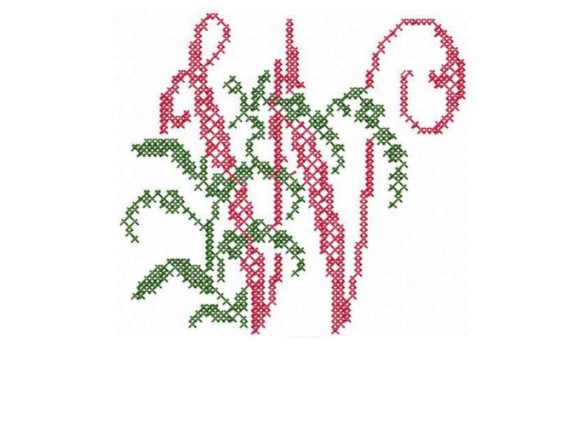
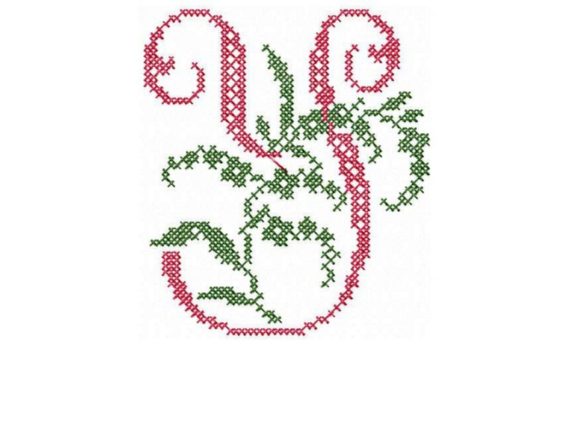
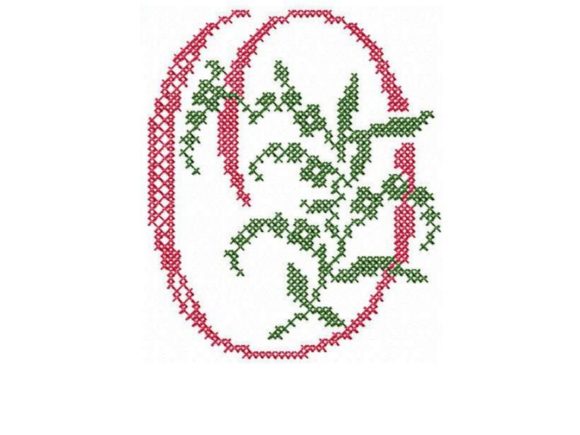
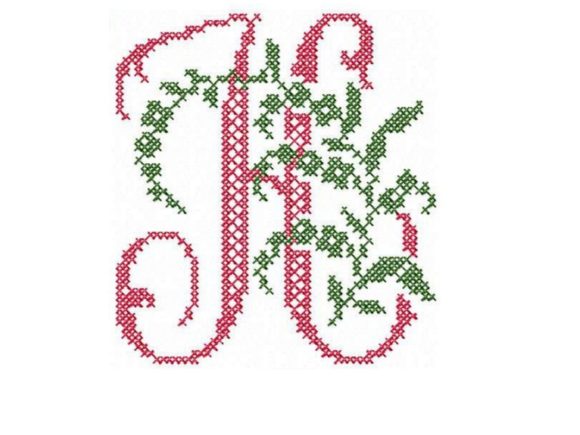
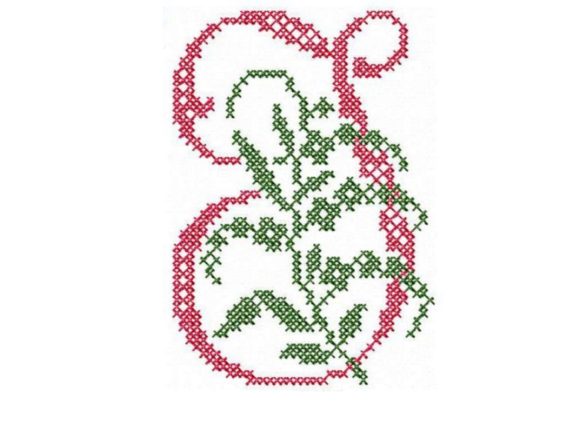
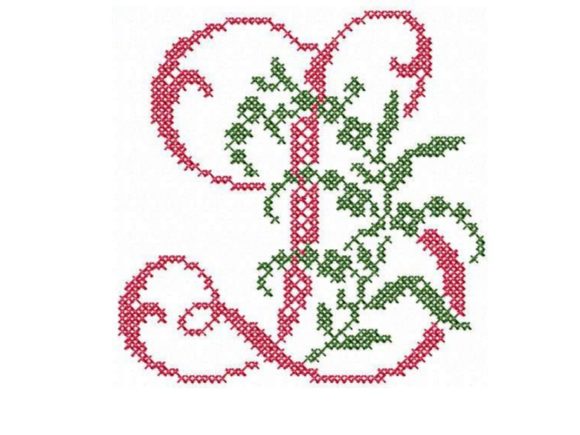
The immediate standout feature of Monogram Letter L is its technique. Unlike standard satin-stitch monograms that can feel stiff or overly formal, this design utilizes a cross-stitch technique. This choice is deliberate and impactful. It lends the letter a handcrafted, nostalgic quality that aligns perfectly with current trends in cottagecore and boho styles. For a designer, this texture is a gift. It breaks up the solid blocks of color typically seen in alphabet sets, allowing the fabric texture to peek through slightly, which adds depth and visual interest.
The mood of the design is playful yet minimal. It does not scream for attention with excessive flourishes or dense fill patterns. Instead, it offers a quiet confidence. When I loaded the embroidery file into my simulation software, the stitch path appeared clean and logical. This suggests that the digitizer prioritized efficiency without sacrificing the aesthetic integrity of the cross-stitch look. For small shop owners, this balance is crucial because it reduces machine time while maintaining a high perceived value.
Application on Sweatshirts and Hoodies
The primary test for any sweatshirt embroidery design is how it interacts with heavier fabrics. Sweatshirts and hoodies present unique challenges due to their thickness and pile. I envisioned placing Monogram Letter L on the left chest of an oversized, neutral-toned hoodie. The result was striking. The cross-stitch texture complemented the soft, fuzzy surface of the fleece, creating a cohesive tactile experience. On dark fabrics, such as charcoal or navy, the design requires careful selection of thread colors. High-contrast threads like cream, mustard, or rust pop beautifully, enhancing the readability of the letter.
For pastel-colored apparel, the design takes on a softer, more feminine character. I tested the layout on a sage green sweatshirt, using white and pale pink threads. The effect was delicate and inviting, ideal for spring collections. However, designers must consider stitch density. While cross-stitch is generally lighter than solid fills, ensuring the stitches are tight enough to hold their shape on stretchy knit fabric is vital. If the tension is too loose, the individual crosses may distort after washing. This design appears robust enough for commercial use, provided the correct stabilizer is employed.
Placement and Branding Opportunities
Beyond the standard chest placement, Monogram Letter L offers versatility. I experimented with positioning it on the sleeve cuff or near the hem of a cropped hoodie. These unconventional placements appeal to younger demographics looking for unique custom apparel. For a boutique brand, these small details can differentiate a product from mass-market competitors. Additionally, using the monogram as part of a larger back design can create a personalized touch without overwhelming the garment. It serves as an excellent anchor for branding, allowing customers to feel a personal connection to the item.
For Etsy sellers and digital creators, this design is a strong asset. It photographs exceptionally well. The textured stitches catch light differently than flat embroidery, making it easier to create engaging printable mockup images or lifestyle product photography. Clear, detailed photos of the stitch texture can significantly boost buyer trust and conversion rates. When customers can see the quality of the craftsmanship through the screen, they are more likely to perceive the item as a premium handmade product.
Technical Considerations for Production
Before running a production batch, there are several technical factors to address. First, the choice of stabilizer is non-negotiable. For sweatshirts, a cut-away stabilizer is recommended to provide long-term support and prevent puckering. Since the design is intended for various fabrics, including towels and pillows as noted in the description, testing on the specific garment material is essential. The fabric texture of a terry cloth towel differs vastly from a French terry sweatshirt, and the stitch appearance will vary accordingly.
Another concern is hoop size and placement. Ensure that the hoop size accommodates the design with adequate margin, especially if stitching on curved areas like sleeves. Small-size readability is generally good for this design, but extremely small scales may lose the definition of the individual crosses. I recommend sticking to medium to large sizes for apparel to maintain the integrity of the cross-stitch illusion. Always check the specific file details for exact dimensions and stitch counts, as these were not explicitly provided in the initial brief.
Washing durability is a key metric for commercial embroidery. Cross-stitch designs, when properly secured, hold up well. However, advising customers on care instructions—such as washing inside out in cold water—can prolong the life of the embroidery. This attention to detail reflects positively on the brand and reduces return rates due to perceived defects.
Enhancing Brand Identity and Value
Incorporating Monogram Letter L into a collection does more than add decoration; it strengthens brand identity. For a boutique focused on cozy, seasonal apparel, this design reinforces a narrative of warmth and tradition. It signals to the customer that the brand values craftsmanship and attention to detail. This emotional connection can drive customer engagement and loyalty. In a saturated market, distinct design elements like this help a small shop product stand out.
Furthermore, the versatility of the design allows for broader product expansion. While my focus was on sweatshirts, the description mentions suitability for pillows and cottagecore style gifts. This opens avenues for upselling. A customer buying a monogrammed hoodie might also be interested in a matching pillowcase or towel set. This cross-category appeal maximizes the value of the digital embroidery file purchase. It is a cost-effective way to expand inventory without designing entirely new assets from scratch.
Ultimately, Monogram Letter L is a thoughtful addition to any designer’s library. It bridges the gap between traditional handcraft aesthetics and modern machine efficiency. For those looking to infuse their boho or rustic collections with a touch of personalized charm, this design delivers. It is fun, easy to stitch, and visually appealing across various applications. As with any design assets, success lies in execution. By paying attention to thread contrast, stabilizer choice, and placement, creators can produce a finished product that feels both premium and authentically handmade.
Whether you are an experienced Etsy seller or a new creative entrepreneur, evaluating how a design fits your specific niche is key. Monogram Letter L offers the flexibility and aesthetic appeal needed to create memorable, high-quality apparel. Remember to verify all technical specifications in the file documentation before starting your next production run to ensure the best possible outcome for your customers.