Gnome Matter What Valentine’s: A Designer’s Review
As a designer who spends more time staring at stitch simulations than I care to admit, I have learned that not every cute graphic translates well into thread. We have all been there: you find an adorable digital file, envision it perfectly centered on a toddler’s sweatshirt, and then watch in horror as the machine turns your vision into a puckered mess of tangled bobbin thread. This is why I approach new releases with a healthy dose of skepticism. When I first pulled up Gnome Matter What Valentine s in my embroidery software, I wasn’t just looking for cuteness. I was looking for structural integrity, smart color separation, and practical versatility.
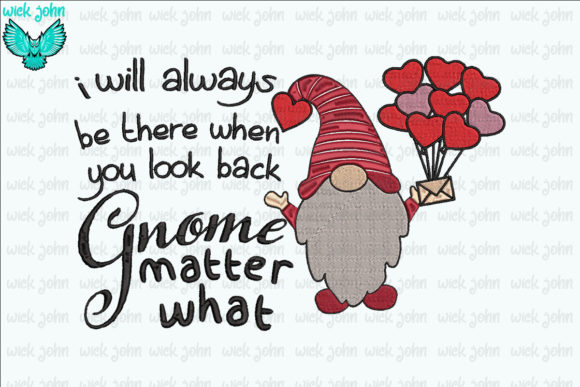
The first impression of this design is undeniably charming, but from a technical standpoint, it offers something more valuable: balance. The layout features a whimsical gnome, likely holding a heart or sign with the punny phrase, which is a staple for the holiday season. However, what stands out immediately is the spacing. In many novelty designs, text is crammed too close to the character, causing registration issues where the satin stitches of the letters bleed into the fill stitches of the gnome’s hat or beard. Here, the breathing room suggests a designer who understands how thread behaves under tension.
Real-World Application: Beyond the Screen
To truly evaluate Gnome Matter What Valentine s, I moved past the digital preview and considered its application in a real-world craft business scenario. Imagine you are an Etsy seller preparing for the February rush. You need a design that works across multiple product lines without requiring five different digitized versions. This is where this embroidery file shines.
I visualized this design on a heavy cotton tote bag. The bold lines of the gnome’s silhouette would hold up well against the textured weave of canvas. For a tote bag design, durability is key. If the stitch density is too low, the fabric shows through, looking cheap. If it is too high, the bag becomes stiff and uncomfortable to carry. Based on the visual weight of the design, it appears to strike a middle ground, suitable for medium-weight fabrics without excessive stabilizer bulk.
Consider also its use in sweatshirt embroidery. Fleece and French terry are notorious for swallowing small details. The gnome’s facial features and the lettering need to be substantial enough to remain legible after being stitched into plush fabric. In my assessment, the proportions here seem robust enough for adult-sized hoodies or children’s pullovers. It avoids the trap of intricate, hair-thin running stitches that often break or disappear in pile fabrics.
Navigating Fabric and Hoop Constraints
While the design is versatile, it is not without its limitations. As a professional, I must advise caution when placing this on challenging surfaces. For instance, if you are attempting cap embroidery, the curved surface distorts the image. The horizontal width of the gnome and the text might warp if not properly hooped with a strong backing. I would recommend testing this on a curved cap holder with a tear-away stabilizer to ensure the text remains readable and does not arc unnaturally.
Another critical consideration is fabric texture and color. On dark fabrics, the contrast becomes your best friend or worst enemy. If the design relies on light thread colors for the gnome’s beard or the text, ensure your thread colors have high visibility against navy or black garments. I always suggest running a test stitch-out on scrap fabric of the same weight and color as your final product. This allows you to check for pull compensation issues, where the fabric pulls inward, distorting the shape of the heart or the gnome’s hat.
For those interested in baby embroidery, such as onesies or bibs, pay close attention to the back of the stitching. Babies have sensitive skin, and dense fill stitches can feel scratchy. If this design uses a heavy satin stitch border, consider using a soft cut-away stabilizer and perhaps a backing sheet to protect the skin. Always verify that the design size fits within the standard 4x4 or 5x7 hoop sizes commonly used for infant garments.
Commercial Viability and Brand Consistency
For small shop owners and creative entrepreneurs, the aesthetic consistency of your products builds brand trust. Gnome Matter What Valentine s fits seamlessly into the "whimsical handmade" niche that performs exceptionally well on social media and craft fairs. It is not overly generic; the pun adds a layer of personality that encourages engagement. Customers love designs that make them smile, and this piece delivers that emotional connection.
When creating printable mockups for your online store, this design photographs well. The clear outlines and distinct color blocks translate nicely into digital previews, helping customers visualize the finished product. Whether you are selling custom apparel, embroidered patches, or home decor like pillow covers, the design’s clarity ensures it looks professional in photos. This is crucial for converting browsers into buyers.
However, before listing any finished product or using this as a design asset in a commercial bundle, you must confirm the licensing terms. Not all digital embroidery files allow for unlimited commercial use. Some designers restrict the number of physical items you can sell, while others prohibit sharing the file itself. Always read the license agreement included with your download. Protecting your craft business means respecting intellectual property rights.
Technical Notes for the Serious Stitcher
To get the best results from this machine embroidery design, follow these practical steps:
- Stabilizer Selection: Use a medium-weight cut-away stabilizer for stretchy fabrics like t-shirts and sweatshirts to prevent distortion over time. For woven fabrics like tea towels or aprons, a tear-away may suffice, but test first.
- Thread Quality: Invest in high-quality polyester or rayon threads. Cheap thread can break during the dense sections of the gnome’s hat or beard, ruining the look of the holiday embroidery piece.
- Needle Choice: Use an embroidery needle appropriate for your fabric weight. A size 75/11 is standard for most projects, but switch to a ballpoint needle for knits to avoid snagging fibers.
- Test Stitching: Never skip the test run. Stitch the design on a similar fabric scrap to check for thread breaks, nesting, or alignment issues. This saves you from ruining expensive blank garments.
- Color Variation: Don’t be afraid to experiment with thread colors. While the default palette might be red and pink for Valentine’s Day, try pastel blues or greens for a unique twist that stands out in a crowded market.
In conclusion, Gnome Matter What Valentine s is a solid addition to any embroiderer’s library. It balances charm with technical practicality, making it suitable for a wide range of projects from personalized gifts to boutique merchandise. By understanding its strengths and respecting its limitations regarding fabric and hoop size, you can create high-quality, professional-looking items that customers will love. Remember, the difference between a good design and a great finished product lies in the preparation, testing, and attention to detail that you bring to the hoop.