Devil Mascot Holding a Pitchfork: A Designer’s Review
As an embroidery designer who has spent years digitizing and testing files for everything from high-end boutique apparel to quick-turnaround craft fair items, I approach every new machine embroidery design with a critical eye. It is not enough for a graphic to look cute on a screen; it must translate flawlessly into thread. Recently, I evaluated the Devil Mascot Holding a Pitchfork to determine its viability for real-world projects. This piece sits comfortably within the broader Fairy Tales category, offering a playful yet edgy twist that appeals to modern makers. Here is my practical assessment of how this design performs in the hoop and on the final product.
First Impressions and Visual Personality
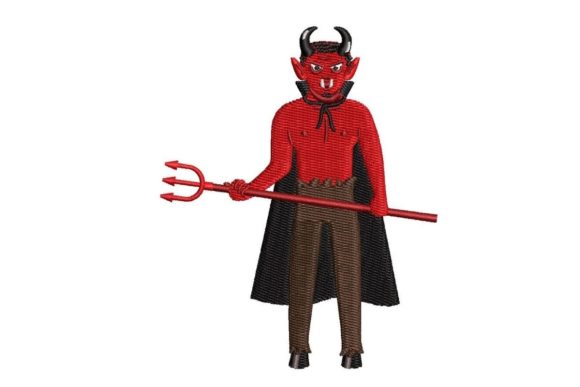
The immediate appeal of the Devil Mascot Holding a Pitchfork lies in its bold silhouette. In embroidery, complex gradients often get lost, so strong shapes are essential. This design utilizes clear lines and distinct character features that ensure the mascot remains recognizable even at smaller scales. The mood is mischievous rather than terrifying, making it versatile for a wide audience. It does not rely on excessive detail that could turn into a tangled mess of thread breaks; instead, it focuses on impactful visual storytelling.
When I first loaded the embroidery file into my simulation software, I looked closely at the stitch types. A successful mascot design usually balances satin stitch borders for crisp edges with fill stitch areas for body mass. If the digitizer has done their job correctly, the transition between these elements should be smooth, preventing puckering on lighter fabrics. The pitchfork element adds a vertical dynamic that breaks up the roundness of the character, creating a more interesting composition for placement on garments or accessories.
Real-World Application: The Custom Sweatshirt Test
To truly judge a design, you must imagine it on a physical item. I envisioned using this mascot for a line of custom sweatshirt embroidery targeted at young adults and teens. The spooky-but-cute aesthetic fits perfectly with current trends in streetwear and seasonal Halloween collections. When stitched onto a mid-weight cotton blend fleece, the design needs to hold its shape without sinking into the nap of the fabric.
In this scenario, the stitch density becomes crucial. If the fill is too sparse, the dark fabric underneath will show through, ruining the vibrancy of the thread colors. If it is too dense, the sweatshirt material will pucker, creating an unprofessional finish. For a project like this, I would recommend using a cut-away stabilizer to provide permanent support, ensuring the Devil Mascot Holding a Pitchfork looks crisp wash after wash. This kind of durability is what builds customer trust for any Etsy seller or small shop owner.
Versatility Across Product Lines
Beyond apparel, this design shows promise for various handmade products. Consider its application on a canvas tote bag design. The sturdy nature of canvas handles heavier stitch counts well, allowing the mascot to pop with vibrant thread colors. It could also serve as a standout feature on an embroidered patch. Patches require tight, dense stitching to prevent fraying edges, and a mascot with defined outlines is ideal for this format. Selling these as iron-on or sew-on accessories can significantly increase the average order value for a craft business.
For those interested in home decor, the design could work on pillow covers or kitchen towels, provided the scale is adjusted appropriately. However, one must be cautious with textured fabrics like terry cloth towels. The loops in the towel can obscure fine details. In such cases, using a water-soluble topping is essential to keep the stitches sitting on top of the texture rather than sinking in. This attention to fabric texture separates amateur hobbyists from professional commercial embroidery providers.
Technical Considerations and Potential Pitfalls
While the design is strong, there are areas where caution is necessary. Small hoop sizes present a challenge. If you are working with a 4x4 inch hoop, you must ensure the entire mascot, including the pitchfork, fits without cropping. Always check the dimensions of the digital embroidery file before purchasing. Additionally, curved surfaces like caps require specialized digitizing. If this file was not specifically created for hats, the distortion on the front panel of a cap could warp the mascot’s face. Always verify if the provider offers a specific cap version or if you need to adjust the pull compensation manually.
Another critical factor is color contrast. The devil motif typically involves reds, blacks, and perhaps whites or yellows. On dark fabrics, black thread will disappear. You may need to add a white underlay or outline to make the black elements visible. Conversely, on light fabrics, ensure the reds are saturated enough to stand out. Testing the design on both light and dark scrap fabric is a non-negotiable step in my workflow. This simple test saves hours of frustration and prevents wasted materials on client orders.
Enhancing Brand Value and Customer Engagement
From a business perspective, unique designs like the Devil Mascot Holding a Pitchfork help differentiate your brand. In a saturated market of generic florals and monograms, a character-driven design creates a memorable visual identity. It encourages social media sharing, as customers are more likely to post photos of a quirky, personalized item. This organic marketing is invaluable for small shop products and independent designers.
Furthermore, the perceived value of a well-executed embroidered item is higher than a printed one. The texture and sheen of the thread add a tactile luxury that customers appreciate. When you deliver a personalized gift featuring this mascot, whether it is for a birthday or a holiday, the quality of the stitching reflects directly on your professionalism. Clean backings, no loose threads, and proper stabilization are the hallmarks of a premium finished product.
Practical Designer Notes for Implementation
Before you commit to production, here are my top recommendations for working with this design:
- Test on Scrap First: Never stitch a new design directly on your final garment. Use a similar fabric scrap to check tension and registration.
- Check Licensing: Confirm whether the embroidery file allows for commercial use. Most designers permit selling finished physical items, but restrictions may apply to digital redistribution.
- Review Stitch Count: High stitch counts increase production time and thread cost. Ensure the pricing of your final item accounts for this.
- Optimize Thread Colors: Stick to a limited palette to reduce thread changes and maintain visual clarity. Too many colors can make a small design look cluttered.
- Use Proper Stabilizer: Match your stabilizer to your fabric. Cut-away for knits, tear-away for wovens, and wash-away for delicate or textured materials.
In conclusion, the Devil Mascot Holding a Pitchfork is a solid addition to any designer’s library, particularly for those focusing on seasonal or character-based Embroidery projects. Its strength lies in its bold shape and versatile application potential. By paying attention to technical details like stabilizer choice, fabric compatibility, and stitch density, you can transform this digital asset into a high-quality physical product that delights customers and strengthens your brand. Whether you are creating a one-off holiday embroidery gift or stocking your online store with unique custom apparel, this design offers the creative flexibility needed to succeed in the modern maker economy.