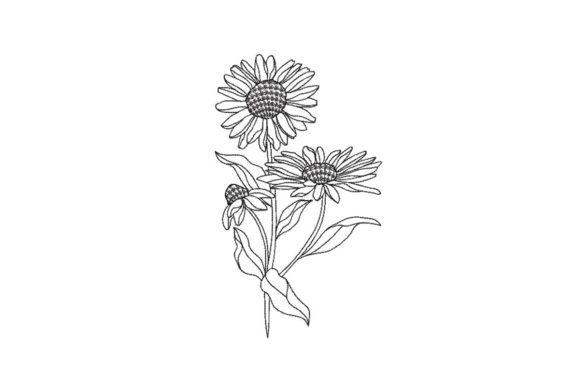
Chamomile: A Seasonal Embroidery Review for Holiday Collections
As an embroidery designer who spends countless hours digitizing and testing patterns, I approach every new machine embroidery design with a critical eye. It is not just about whether the stitches look clean; it is about whether the design sells. When I first loaded the Chamomile file into my software, I was immediately struck by its versatility. This is not just another floral motif; it is a strategic asset for anyone building a seasonal shop collection. For Etsy sellers, handmade gift makers, and small business owners preparing for the holiday rush, understanding how a single flower design can pivot from spring freshness to winter coziness is key to maximizing revenue.
The First Impression: Mood and Aesthetic Appeal
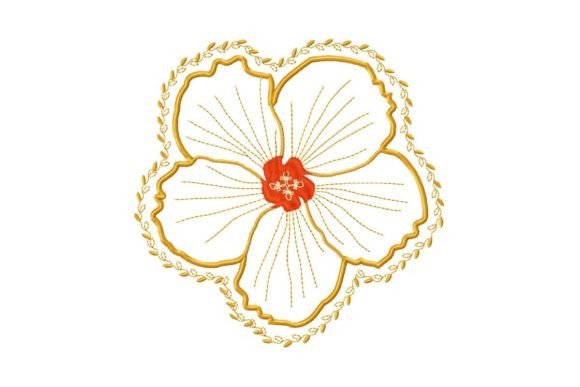
The Chamomile design falls under the Single Flowers category, but its impact is far greater than its simplicity suggests. The initial visual tone is undeniably nostalgic and rustic. There is a gentle elegance to the petals that feels both playful and premium. In the context of seasonal embroidery, this duality is powerful. While many designers rush to create overtly festive motifs like snowflakes or holly for the holidays, there is a growing market for subtle, cozy designs that evoke warmth rather than just celebration.
This design feels organic and grounded. It does not scream "holiday" in a traditional sense, which allows it to serve as a perfect bridge between autumn harvest themes and winter comfort. The emotional tone is calming, making it ideal for products intended to soothe and delight. Whether you are aiming for a romantic aesthetic for Valentine’s Day pre-orders or a spiritual, mindful vibe for New Year’s resolutions, Chamomile adapts seamlessly. It avoids the trap of being too trendy, ensuring that the finished product remains relevant beyond a single season.
Strategic Product Placement for Holiday Sales
When planning a holiday product drop, variety is essential. I tested Chamomile across various substrates to determine where it performs best. Here is how this embroidery file can elevate your seasonal offerings:
- Sweatshirt Embroidery: Placed on the left chest or as a small pocket detail, the design adds a touch of sophistication to oversized hoodies. It appeals to customers looking for understated, everyday luxury during the cold months.
- Kitchen Towel Embroidery: This is perhaps the strongest use case. Chamomile evokes thoughts of tea, warmth, and home. Embroidered on linen or cotton towels, it becomes a top-tier handmade gift for hostesses and family gatherings.
- Tote Bag Design: For eco-conscious shoppers, a canvas tote with this floral motif serves as a stylish alternative to plastic wrapping. It is practical, reusable, and visually appealing for grocery runs or book club meetings.
- Pillow Cover Accents: A single chamomile stitched onto a neutral pillow cover can refresh a living room for the holidays without requiring a complete decor overhaul. It pairs beautifully with textured throws.
- Embroidered Patch: Creating iron-on or sew-on patches allows customers to customize their own jackets or bags. This increases engagement and offers a lower-price-point entry for budget-conscious buyers.
For Etsy seller strategies, consider bundling these items. A "Cozy Home Kit" featuring a towel and a pillow cover with matching Chamomile embroidery can increase average order value. The design’s simplicity ensures that it does not clash with other patterns, making it easy to mix and match in gift sets.
Navigating Technical Challenges and Fabric Textures
While Chamomile is versatile, it requires careful handling to ensure professional results. As a designer, I must advise caution in specific scenarios. The delicate nature of the petals means that stitch density must be balanced. If the density is too high, the fabric may pucker, especially on lighter materials. Conversely, if it is too low, the design may lack definition on plush fabrics.
When working with thick towels or textured linens, using the correct stabilizer is non-negotiable. I recommend a cut-away stabilizer for garments that will undergo repeated washing, such as sweatshirts and kitchen towels. For woven home decor items like pillow covers, a tear-away may suffice, but always test first. The fabric texture plays a significant role in how the thread colors appear. On dark fabrics, you may need to adjust the underlay or choose brighter thread colors to ensure the white and yellow tones of the chamomile pop against the background.
Be cautious with stretchy garments. Without proper hooping technique, the circular nature of the flower can distort. Always check the recommended hoop size provided with the digital file. If the design is scaled down too much for tiny items like baby socks or ornaments, the fine details of the petals may merge, losing the crispness that makes the design attractive. Always stitch out a test sample on scrap fabric identical to your final product before committing to production.
Enhancing Brand Consistency and Customer Trust
In the crowded marketplace of commercial embroidery, consistency builds trust. Chamomile offers a cohesive look that can be applied across your entire brand identity. Using the same floral motif on apparel, home goods, and accessories creates a recognizable visual language. Customers begin to associate that specific flower with your quality and style.
For holiday marketing, this consistency is invaluable. When you create printable mockup graphics for social media, having a unified design theme makes your feed look curated and professional. It signals to buyers that you are an established small shop product creator who cares about details. This perception of quality justifies higher price points and encourages repeat purchases.
Moreover, the emotional resonance of chamomile—calm, healing, natural—aligns well with the values of many modern consumers. By choosing a design that embodies these traits, you are not just selling a product; you are selling a feeling. This deepens the connection between the buyer and the personalized gift they are purchasing, leading to better reviews and word-of-mouth referrals.
Practical Notes for the Professional Designer
Before adding Chamomile to your seasonal lineup, take these practical steps:
- Verify File Details: The product description states, "Make your things unique... You can choose the color scheme at your discretion." However, it does not specify exact stitch counts or file formats. Always check the included documentation for compatible machine formats (PES, DST, JEF, etc.) and confirm the maximum hoop size required.
- Test Thread Palettes: Do not rely solely on default thread charts. Test different shades of white, cream, and yellow to see which combination best suits your brand’s aesthetic. Consider metallic threads for a holiday twist, but test for breakage first.
- Check Licensing: Ensure you have the appropriate commercial license for selling finished products. Most digital embroidery files allow for physical sales, but restrictions on sharing the digital file itself are standard. Respect intellectual property rights to maintain a reputable business.
- Create Realistic Mockups: Use high-quality photos of your stitched samples. Show the texture of the thread and the drape of the fabric. Authentic images convert better than overly edited digital renderings.
In conclusion, Chamomile is more than just a pretty flower; it is a versatile tool for the savvy embroidery entrepreneur. By understanding its technical requirements and leveraging its emotional appeal, you can create a diverse range of holiday and seasonal products that resonate with customers. Whether used on a cozy sweatshirt or a elegant kitchen towel, this design has the potential to become a staple in your shop, driving sales and building brand loyalty throughout the year.