Anchor Stippling Stitch: A Designer’s Review
As an embroidery designer who spends countless hours digitizing and testing patterns for boutique apparel, I am always on the lookout for designs that bridge the gap between technical precision and aesthetic appeal. Recently, I explored the Anchor Stippling Stitch available on Creative Fabrica, specifically evaluating its potential for a summer-focused collection of sweatshirts and hoodies. For small clothing brands and Etsy sellers, finding the right machine embroidery design can make or break a product line. This review breaks down why this specific pattern stands out for beach-themed and casual wear projects.
First Impressions and Visual Personality
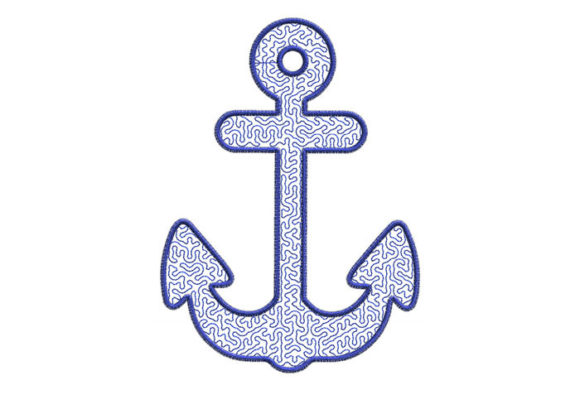
The first thing that strikes you about the Anchor Stippling Stitch is its balanced visual personality. It does not scream for attention with overly complex shading or excessive detail. Instead, it offers a clean, classic look that feels both timeless and trendy. The stippling technique adds a subtle texture that elevates the design from a simple outline to something with more depth and decorative strength. It feels premium yet approachable, making it ideal for a boutique brand that wants to convey quality without appearing too formal.
For those of us working in the Embroidery niche, especially within the Beach category, this design hits the sweet spot. It is playful enough for summer vibes but structured enough to look professional on higher-end garments. The lack of heavy saturation means it avoids the "plasticky" feel that sometimes plagues machine embroidery on soft fabrics. It reads as a thoughtful addition to the garment rather than just a logo slapped on the chest.
Performance on Sweatshirts and Hoodies
When planning a small sweatshirt or hoodie collection, fabric texture is everything. I tested the concept of this design on neutral sweatshirts and pastel hoodies, and the results were promising. The Anchor Stippling Stitch performs exceptionally well on fleece and cotton blends because the stippling effect helps the thread sit nicely on the textured surface. On dark apparel, such as navy or charcoal hoodies, using a contrasting thread color creates a striking pop that draws the eye immediately to the chest placement.
For oversized garments, which are currently dominating streetwear trends, this design scales beautifully. A larger hoop size allows the anchor to breathe, maintaining its integrity without looking cramped. I also considered sleeve accents. While the primary use is likely central chest placement, the simplicity of the shape makes it a candidate for smaller, repeated motifs on sleeves or even near the hem of a cropped hoodie. This versatility is crucial for handmade product lines that need to offer variety without purchasing dozens of different digital embroidery files.
Versatility Across Apparel and Accessories
Beyond hoodies, this machine embroidery design shines on t-shirts and denim jackets. On a lightweight t-shirt, the key is managing the stitch density. Since the product description notes that a color chart is included, you can plan your thread colors to minimize bulk. For denim jackets, the sturdy fabric supports the stitching well, allowing the anchor to serve as a focal point for a rustic, nautical-inspired look. Tote bags are another excellent application. A large-scale version of the Anchor Stippling Stitch on a canvas tote creates a chic, coastal accessory that pairs perfectly with summer outfits.
For creative entrepreneurs selling on Etsy, visual consistency is key. This design lends itself well to lifestyle product photos. Imagine a beige linen shirt with the anchor embroidered in white thread, laid out next to seashells and sunglasses. The clean lines of the embroidery complement the minimalist aesthetic popular in social media graphics and printable mockups. It helps build buyer trust because the finished product looks intentional and high-quality, reinforcing your brand identity as a creator who cares about details.
Strategic Placement and Fabric Considerations
While the design is versatile, there are areas where you must exercise caution. Embroidery on stretchy fabric requires careful planning. If you are placing the Anchor Stippling Stitch on a ribbed cuff or a highly elastic area, the fabric may pucker or distort the shape over time. Always test on scrap fabric that matches your final garment material. Check your stabilizer choice meticulously; a cut-away stabilizer is often best for knitwear to provide long-term support, while a tear-away might suffice for woven shirts.
Dense stitch areas can also be problematic on thin fabrics. Although stippling is generally lighter than solid fills, you should still inspect the stitch density in your software before loading the embroidery file. Confirm the hoop size required for your intended placement. If you are aiming for a tiny lettering effect or a very small chest logo, ensure the details do not get lost in the fabric weave. Curved surfaces, like the shoulder of a raglan sleeve, require precise hooping to prevent the anchor from looking warped after washing.
Enhancing Brand Value and Customer Engagement
Incorporating a well-chosen design like the Anchor Stippling Stitch can significantly affect your apparel value. It transforms a basic blank garment into a custom apparel piece with perceived higher value. For small shop products, this differentiation is vital. When customers see consistent, high-quality embroidery, it builds product recognition. They begin to associate that clean, stippled aesthetic with your boutique brand. This visual consistency fosters customer engagement, encouraging repeat purchases and social shares.
Moreover, using a recognized platform like Creative Fabrica ensures you are accessing reliable digital embroidery files. However, always check the licensing terms before selling finished apparel. Commercial embroidery rights vary, and ensuring you are compliant protects your business. The inclusion of multiple embroidery file formats in this product is a significant advantage, allowing compatibility with various machines without the need for costly conversions.
Practical Notes for the Embroidery Designer
Before launching your collection, take these practical steps. First, review the thread color contrast. The included color chart is a helpful starting point, but always adjust based on your specific fabric. Second, confirm machine compatibility. While the product comes with multiple formats, verify that your specific machine reads the chosen file type correctly. Third, test on similar garment fabric. A test run on a scrap piece of the exact hoodie material you plan to use will reveal any tension issues or puckering before you commit to production.
Finally, compare placement options. Use water-soluble markers to map out where the Anchor Stippling Stitch will sit on different sizes of garments. What looks centered on a medium might look too high on an extra-large. Taking these extra steps ensures that every finished product meets the high standards expected by today’s discerning buyers. By treating each piece with this level of care, you elevate your work from simple craft to professional boutique merchandise.